Restoring Hope Through Faith and Therapy
Disciple Profile: Bridget Balajadia (Trigger warning: miscarriage, infant death)
Disciple Profile: Bridget Balajadia (Trigger warning: miscarriage, infant death)
What attracted you to the field of mental health, and what role did your faith play in confirming your vocation in this field?
I grew up in a family where mental health needs went unnoticed and unaddressed. I made a quiet promise to myself as a young adult that I wanted to help people the way I wished someone had helped us.
What attracted you to the field of mental health, and what role did your faith play in confirming your vocation in this field?
I grew up in a family where mental health needs went unnoticed and unaddressed. I made a quiet promise to myself as a young adult that I wanted to help people the way I wished someone had helped us.
That desire took me far, in a literal sense. I traveled to Ghana to serve women in an HIV/AIDS clinic and later joined the Peace Corps in Morocco, where something shifted. Even after working in social work back at home, I realized that true change comes from healing trauma and releasing the long-held narratives that people carry about who they are and what they deserve. I wanted to help people access true change, to change their lives.
When I returned from Morocco, I attended San Jose State University for a master's in social work. I then went on to become licensed in clinical social work.
Through it all, faith has been a quiet constant, shaping my approach to mental health therapy. Like my clients, I also had to let go of the narrative that I could instigate change on my own. It became clear to me after my own experience with postpartum anxiety and a very challenging work environment that God alone can be relied upon. The combination of good therapy, spiritual direction, and learning to listen to where God calls me is ultimately what led me to where I am today.
Is there a specific moment or instance that stands out to you in your time as a mental health professional where you have encountered how faith and psychology truly work together for the well-being of the person?
There was one moment where I was working with a woman after the loss of her baby due to a late-term miscarriage. Her devastation was palpable, and her cries could be heard throughout the whole unit after she delivered. Fairly new in the job, I felt stuck, wondering how on earth I was going to do anything to meet this woman in her grief.
A key thing to note here is that most mental health training asks providers to be "a blank slate," usually to protect the client from potential bias that may come from the provider. But walking into that room and witnessing her grief shook me to my core. She asked me to hold her child, and as she passed me her baby, I noticed that she was wearing a cross necklace.
And that was the moment when I chose to throw caution to the wind, and I asked if I could pray for her. There was nothing to do other than pray for her. So, we sat there, and I cried with her and prayed for her, with her. The grief didn't end, but the experience of the room changed.
We are often taught that therapy and faith don't mix, but for my Catholic clients, it is often the thing that makes the therapy work well.
How does your work in mental health ministry transform your own faith and or your relationship with Christ?
This work has deepened my faith in ways I never anticipated. There is something about sitting with another person in their deepest suffering and witnessing the moment. Something shifts. It is deeply communal. I mainly work with mothers, and so when a client who has carried shame for years finally sets it down, or someone grieving allows herself to be held in prayer, that makes the presence of God extraordinarily tangible to me.
This realization is part of what drove my wonderful colleague, Sylvia Rodriguez, a Catholic therapist for youth, and me to start the Catholic Mental Health Professionals Association in our diocese. We wanted to create a bridge between faith and healing and to extend the work that the parish mental health ministries have been doing for years.
We wanted for Catholics across the diocese to find therapists who don't ask them to leave their faith at the door, and where Catholic mental health professionals could support each other in this unique and sacred calling.
For me personally, no longer having to be a blank slate and allowing the Holy Spirit to enter the room, to pray with a client when that feels right, and to honor the whole person, including their soul, has been both professionally and spiritually liberating. It has made me a better therapist and a more grateful Catholic.
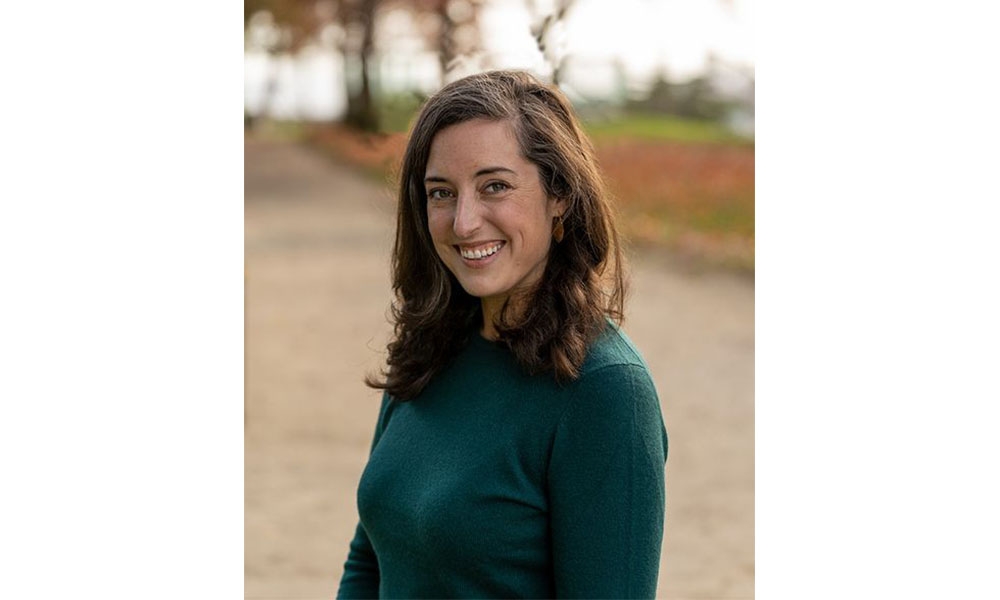
Bridget Balajadia is a mental health clinician for mothers. She owns a private practice called Lupine Counseling and is the Co-Founder and Co-President of the Catholic Mental Health Professionals Association for the Diocese of San José. She is a parishioner of Santa Teresa and is a proud mother to two under 10. She loves writing, chatting, coffee, and walking in the sunshine.
For referrals for Catholic mental health professionals: [email protected]
DSJ page: https://www.dsj.org/evangelization/social-ministries/mental-health/
Catholic Mental Health Professionals Association: https://www.catholicmhpa.com/